

Keeping engine temperatures under control is essential for reliable performance, particularly when a car is modified or driven hard. While the standard cooling system may be adequate for everyday driving, increased engine loads and spirited driving can place greater demands on it.
A performance radiator is designed to improve cooling efficiency and help maintain more consistent coolant temperatures. For modified Japanese performance cars, upgrading to an aluminium radiator can provide valuable additional cooling capacity when the engine is working harder.
Ready to upgrade your cooling system? Explore the Japspeed range of performance radiators for popular Japanese performance cars.
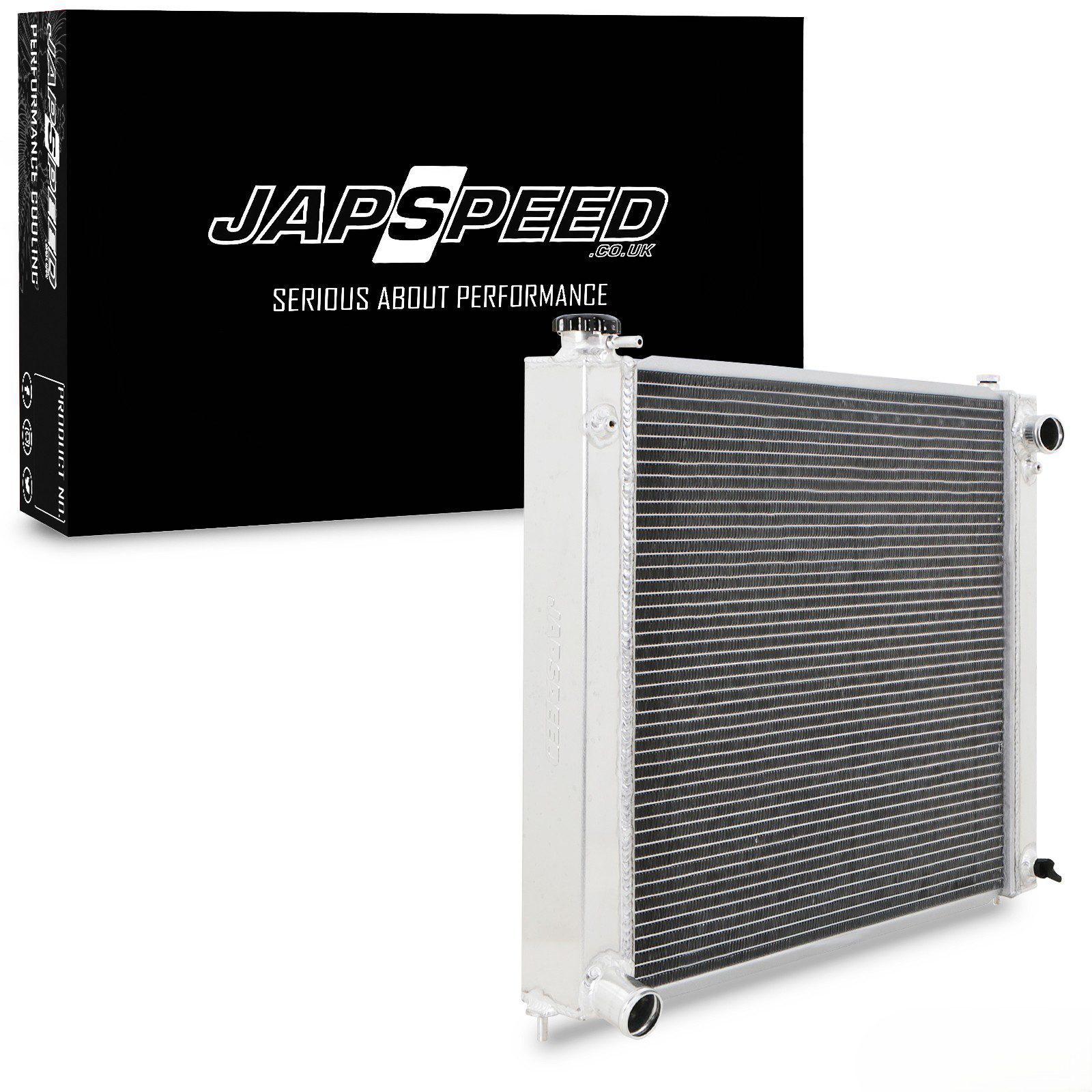
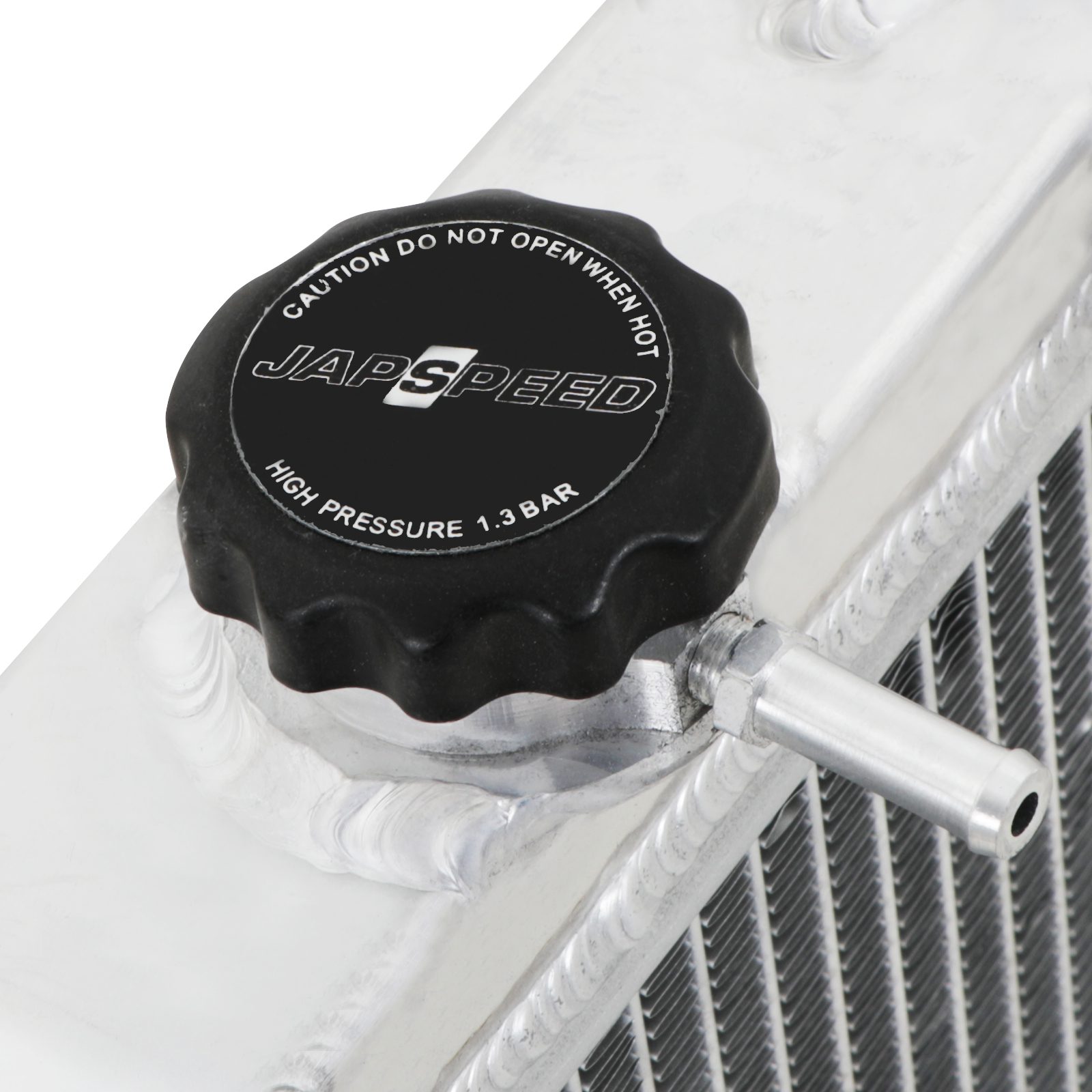
What Does a Car Radiator Do?
Your radiator is a key part of the engine cooling system. Coolant absorbs heat as it circulates through the engine before passing through the radiator, where that heat is transferred to the surrounding air.
During demanding driving conditions, the engine produces more heat. If the cooling system cannot dissipate that heat effectively, coolant temperatures can rise and performance may become less consistent. This makes efficient cooling particularly important for tuned engines, turbocharged cars and vehicles regularly used for spirited road driving or track days.


What Is a Performance Radiator?
A performance radiator works on the same basic principle as an OEM radiator but is designed with increased cooling performance in mind.
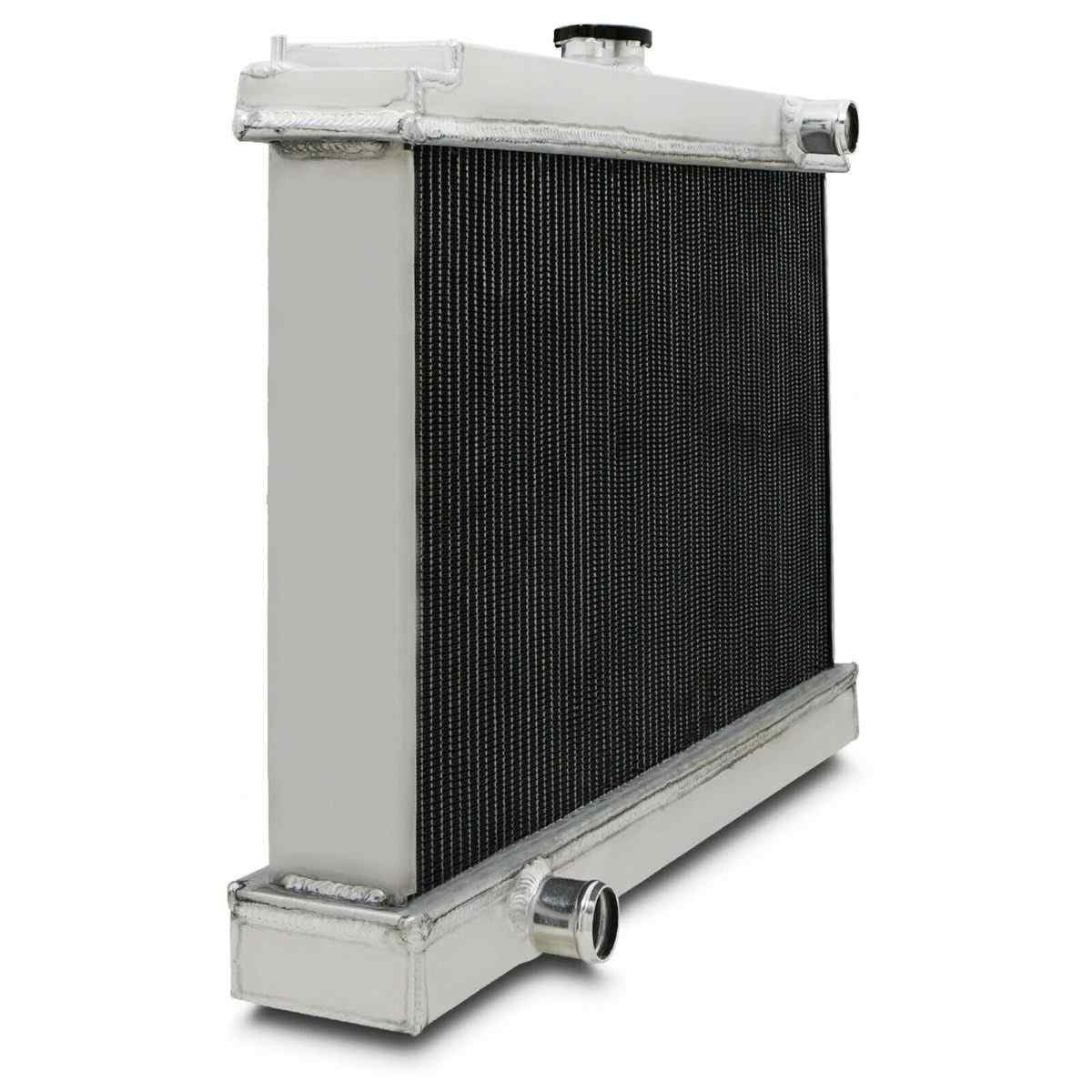
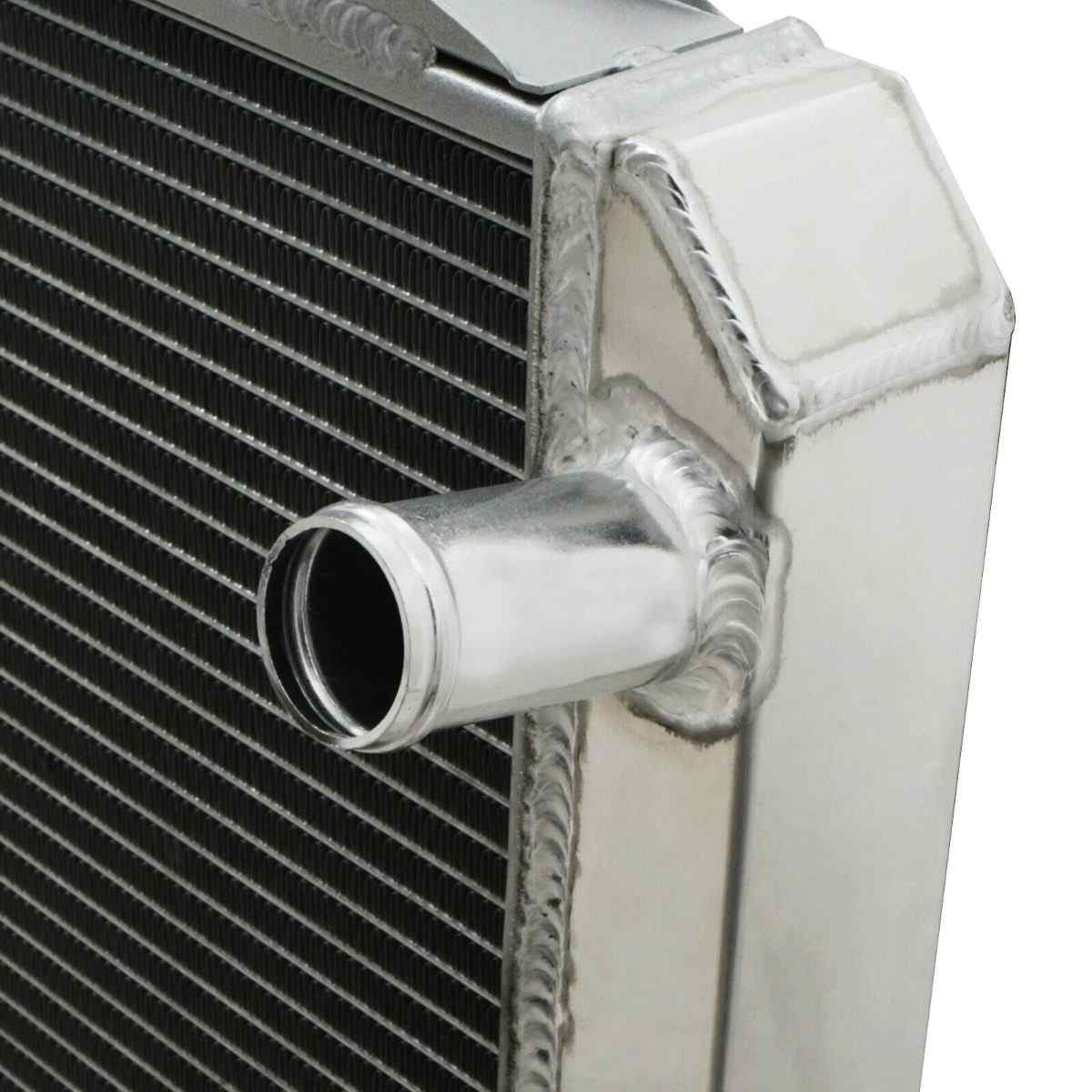
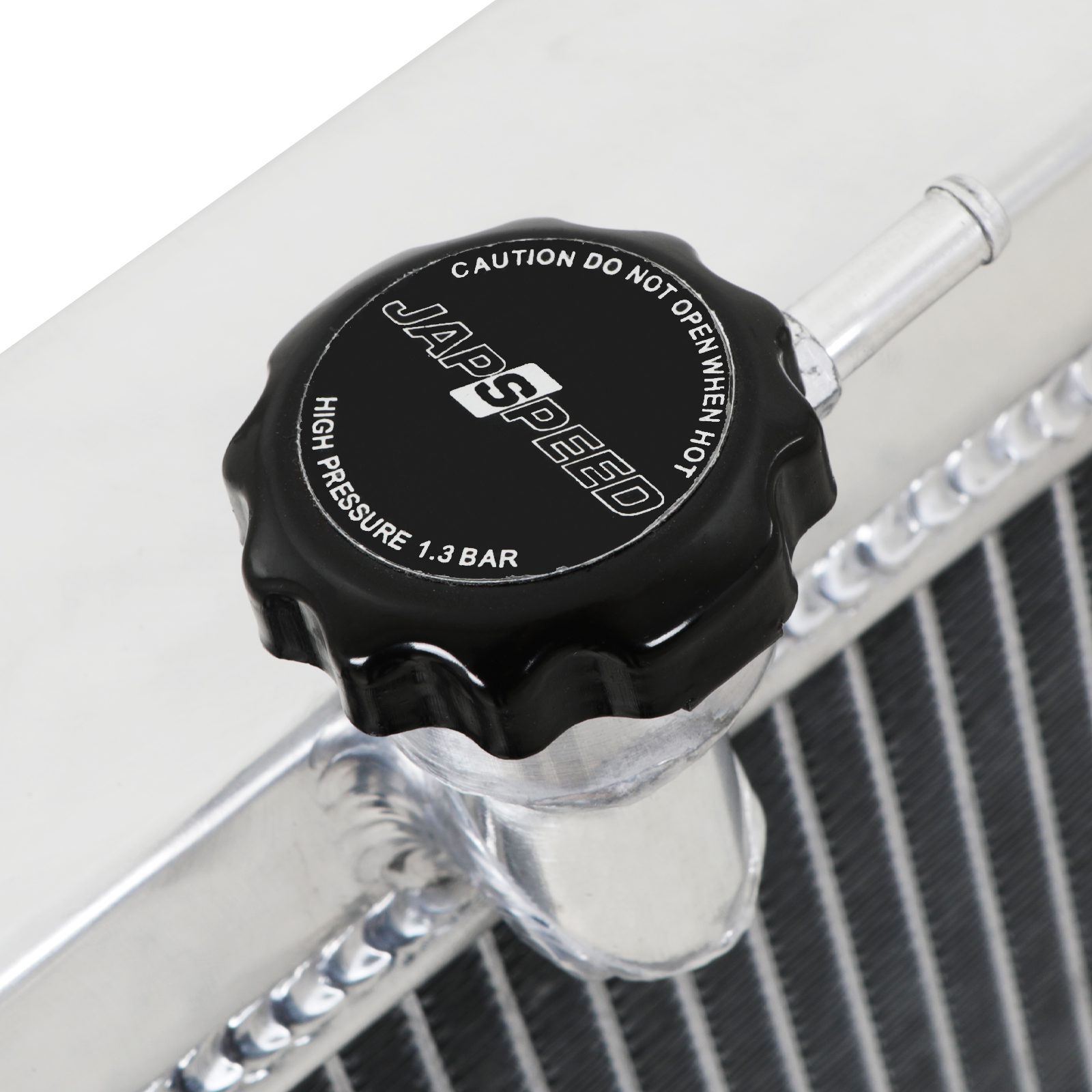
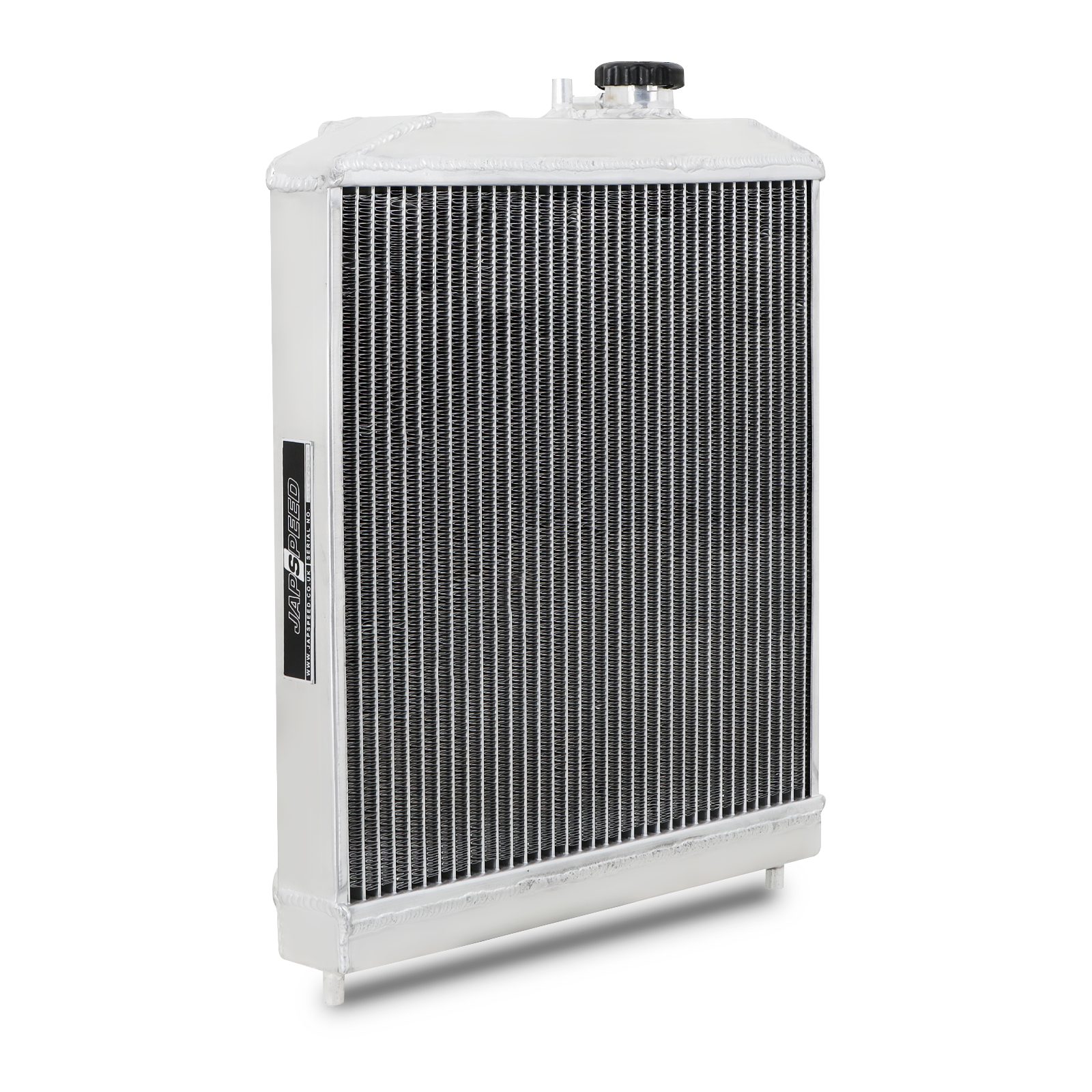
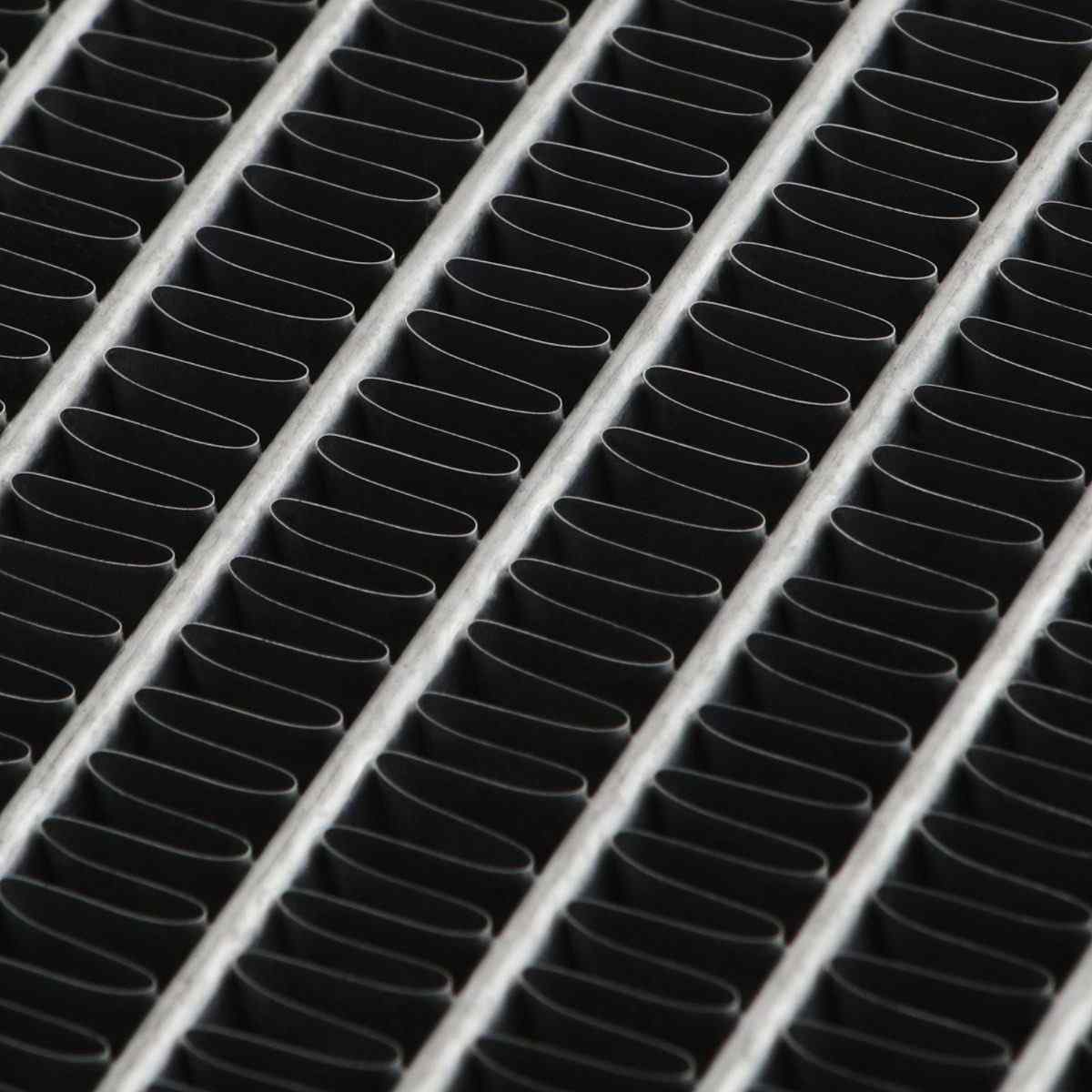
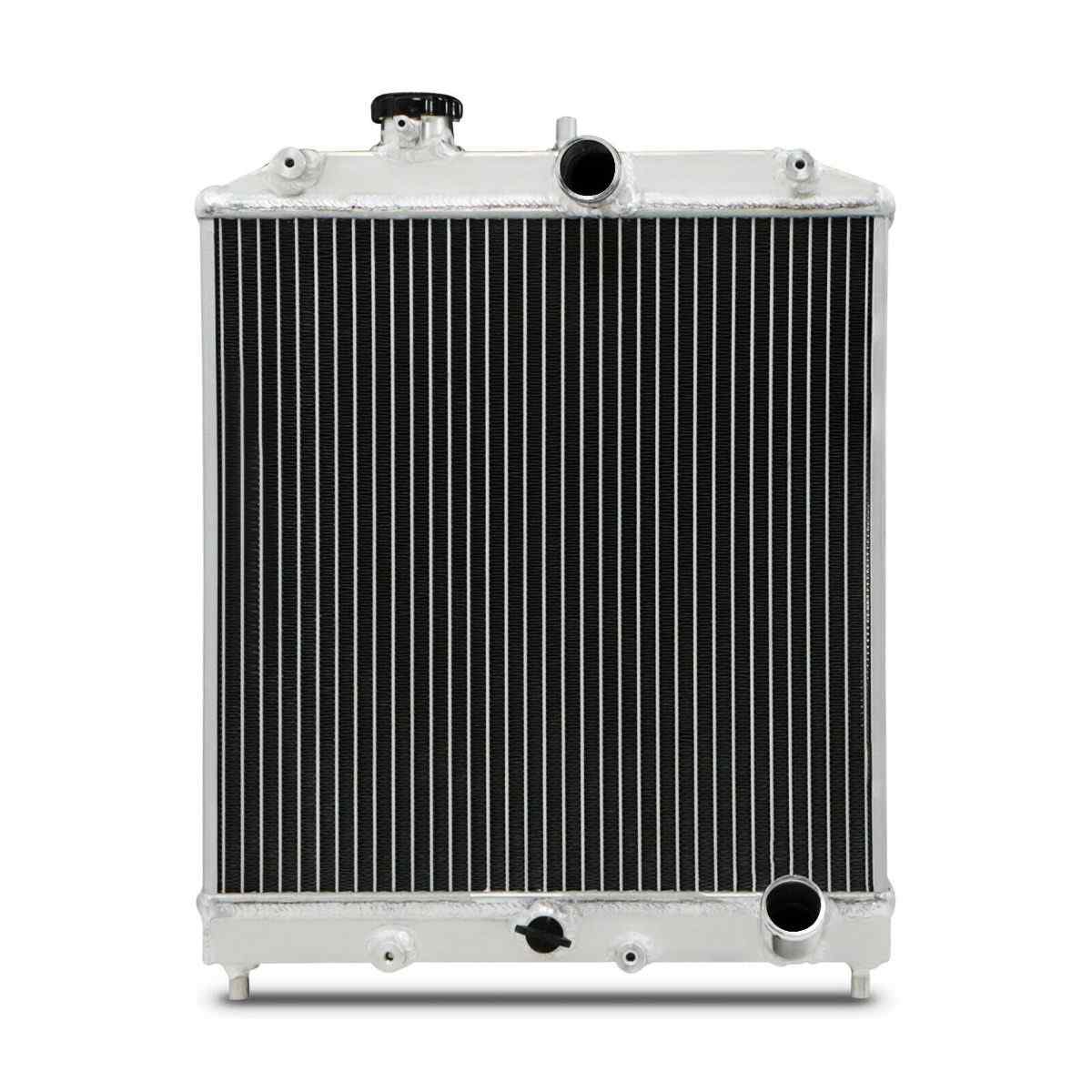
Japspeed performance radiators use lightweight aluminium construction and high-flow cores designed to improve heat dissipation. Selected Japspeed radiators offer up to 30% greater cooling capability compared with the standard unit, providing additional cooling capacity under demanding conditions.
Many applications are also designed as direct replacements for the original radiator, making them a practical upgrade for both modified and enthusiast-owned cars.
What Are the Benefits of an Aluminium Radiator?
Improved Cooling Performance
The main advantage is greater heat dissipation. A high-flow aluminium core can help the cooling system manage the additional heat generated during demanding driving.
More Consistent Temperatures
Keeping coolant temperatures controlled can help maintain consistent engine operation, particularly during repeated hard acceleration, track driving or extended periods of higher engine load.
Support for Modified Cars
Increasing power can also increase the amount of heat the engine needs to manage. Cooling upgrades are therefore an important supporting modification on many performance builds.
Lightweight Aluminium Construction
Aluminium provides effective heat transfer while keeping the radiator relatively lightweight, making it well suited to performance applications.
When Should You Upgrade Your Radiator?
Not every standard car needs an uprated radiator. However, it becomes worth considering when you begin increasing performance or regularly subjecting the vehicle to more demanding conditions.
An upgrade may be beneficial if your car is turbocharged, remapped, used for track days or regularly driven hard. It can also make sense when restoring or modifying an older JDM car where the original cooling system is already working harder than it did when new.
Cooling should be considered as part of the overall build rather than only after temperature problems appear.

Performance Radiators for Popular JDM Cars
Japspeed offers performance radiators for a broad selection of Japanese performance platforms, making it easier to choose an upgrade designed for your specific vehicle.
Applications include cars such as the Nissan 200SX and Silvia, Nissan Skyline, Nissan 350Z, Toyota Supra, Mitsubishi Lancer Evolution, Subaru Impreza WRX STI, Honda Civic, Mazda MX-5, Mazda RX-8 and Lexus IS200.
For example, Japspeed offers direct-fit aluminium radiators for SR20DET-powered Nissan S14, S14A and S15 models, alongside cooling upgrades for everything from the Civic Type R to the Evo 4, 5 and 6.
Browse the wider Japspeed cooling range to find upgrades for your build.
Performance Radiator vs Intercooler: What’s the Difference?
Although both manage heat, radiators and intercoolers perform different jobs.
A radiator removes heat from the engine coolant, helping regulate engine temperature. An intercooler reduces the temperature of the compressed intake air on turbocharged or supercharged engines.
For modified turbocharged cars, upgrading both can form part of a more comprehensive approach to heat management.
Upgrade Your Cooling System with Japspeed
Power upgrades may grab the attention, but effective cooling is fundamental to a well-rounded performance build. An uprated aluminium radiator can provide increased cooling capacity and help manage temperatures when your car is being pushed harder.
Whether you drive a Skyline, Silvia, Supra, Civic, Impreza, Evo, MX-5 or another Japanese performance platform, choosing the right cooling components can help prepare your car for more demanding driving.
Explore Japspeed performance radiators and find the right cooling upgrade for your car.